
.svg)


How Long Does a Landscaping Project Take? What Homeowners Should Expect
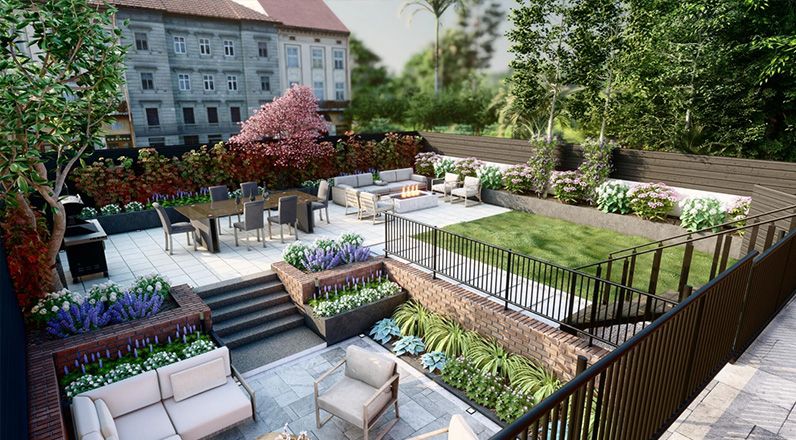
Before starting any outdoor project, homeowners want to know what they’re committing to. That’s why searches for how long does landscaping take are so common. Timelines affect schedules, budgets, and expectations.
The answer depends on scope, design, and planning.
Project Size Plays the Biggest Role
The size and complexity of a landscaping project have the greatest impact on timing. A small refresh takes far less time than a full outdoor transformation.
Project scope may include:
- Simple planting updates
- Hardscape installation
- Full design-build landscaping
Each level requires different timelines.
Design and Planning Happen Before Installation
Many homeowners underestimate how much time goes into planning. Design ensures the project runs smoothly once installation begins.
The planning phase includes:
- Site evaluation
- Layout and material selection
- Scheduling and preparation
Good planning saves time during installation.
Hardscapes Often Take the Longest
Patios, walkways, and driveways require proper base preparation and curing time. Rushing these steps leads to long-term problems.
Hardscape timelines depend on:
- Material choice
- Ground conditions
- Weather
Professional installation prioritizes durability over speed.
Planting Is Usually Quicker Than Expected
Once layout and preparation are complete, planting moves efficiently. However, plant availability and weather can affect timing.
Planting timelines are influenced by:
- Plant size and quantity
- Seasonal conditions
- Soil preparation
Professional coordination keeps things moving.
Weather Can Affect Scheduling
Outdoor projects depend heavily on weather. Rain, extreme heat, or cold can delay certain steps.
Professional landscaping accounts for:
- Seasonal conditions
- Safe installation windows
- Flexibility in scheduling
Weather awareness prevents rushed work.
Phased Projects Extend Timelines—but Improve Flexibility
Some homeowners choose phased landscaping projects to manage budget or timing. Phasing spreads work over time but still leads to a complete result.
Phased projects allow:
- Strategic scheduling
- Less disruption
- Long-term planning
Design-build landscaping supports phasing effectively.
Permits and Material Availability Matter
Some projects require permits or special materials, which can affect timelines.
Factors that may add time include:
- Material lead times
- Custom elements
- Permit approvals
Professional landscapers anticipate these details early.
Why Rushing Landscaping Is a Mistake
Speed shouldn’t be the main goal. Rushed landscaping often leads to mistakes, rework, and shorter lifespan.
Professional landscaping focuses on:
- Proper preparation
- Correct installation
- Long-term performance
Quality takes precedence over speed.
What a Typical Landscaping Timeline Looks Like
While every project is different, most landscaping follows this general flow:
- Consultation and design
- Planning and preparation
- Installation
- Final adjustments
Clear communication helps homeowners stay informed throughout.
Why Professional Landscaping Sets Realistic Expectations
Professional landscapers provide clear timelines based on experience—not guesswork. They help homeowners understand what’s realistic and why.
Professional landscaping services help:
- Set accurate expectations
- Avoid surprises
- Keep projects organized
Transparency builds trust.
How to Prepare for a Landscaping Project
Homeowners can help projects stay on track by:
- Finalizing decisions early
- Communicating goals clearly
- Being flexible with weather
Preparation supports smoother timelines.

If you’re planning a landscaping project and want a clear, realistic timeline from start to finish, professional planning makes all the difference.
Contact Bayscapes today to schedule a free consultation and get expert guidance on your landscaping project timeline, process, and next steps.

