
.svg)


How to Combine Hardscapes and Landscaping for a Balanced Yard
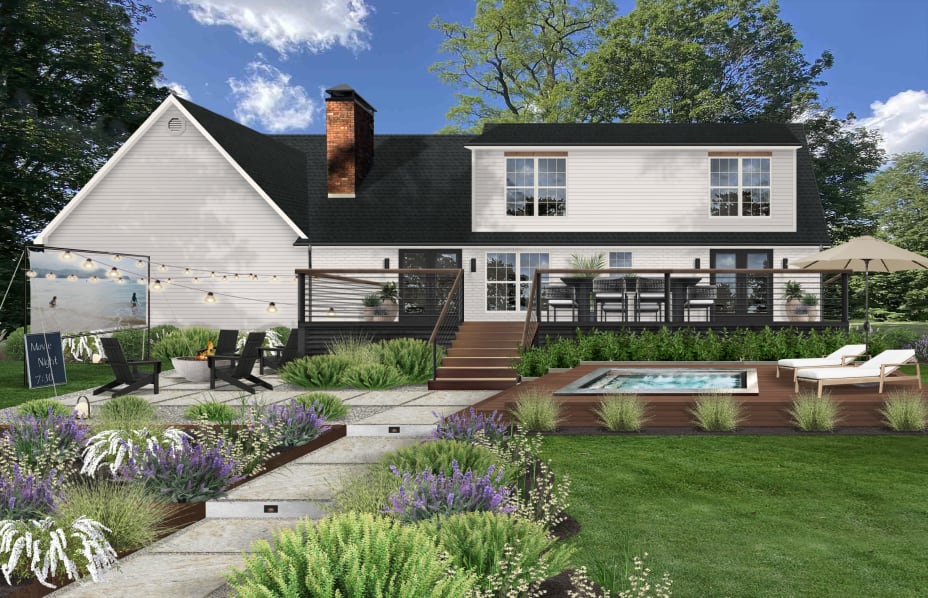
Many homeowners love the look of patios, walkways, and stone features but worry about making their yard feel too hard or unnatural. Others focus heavily on plants and grass, only to find the space lacks structure or usability. That’s why searches around hardscapes and landscaping are so common.
The most successful outdoor spaces use both elements together in a balanced way.
What’s the Difference Between Hardscapes and Landscaping?
Hardscapes are the non-living features of your yard, such as patios, walkways, driveways, and stone elements. Landscaping typically refers to plants, grass, trees, and soil-based features.
When combined properly, landscape and hardscape design creates outdoor spaces that are both functional and visually appealing.
Why Balance Matters in Outdoor Design
Too much hardscaping can make a yard feel cold or industrial, while too much landscaping can feel messy or difficult to maintain. Balance allows each element to enhance the other.
A well-balanced yard:
- Feels intentional and cohesive
- Is easier to navigate and use
- Requires less long-term maintenance
- Looks better year-round
Professional outdoor design focuses on harmony rather than extremes.
Start With How You’ll Use the Space
Before choosing materials or plants, consider how you’ll actually use your yard. Will you be entertaining guests, relaxing, or simply improving curb appeal?
Hardscapes often support functionality, while landscaping softens the space and adds visual interest. Knowing how the space will be used helps determine the right mix.
Use Hardscapes to Create Structure
Hardscape installation helps define how people move and gather in your yard. Walkways guide foot traffic, patios create seating areas, and driveways improve accessibility.
These features provide structure that landscaping alone can’t achieve.
Soften Hardscapes With Thoughtful Planting
Plants play a key role in preventing hardscapes from feeling overwhelming. Shrubs, ground cover, and decorative plants soften edges and blend hard surfaces into the surrounding yard.
Thoughtful landscaping design helps:
- Frame patios and walkways
- Add color and texture
- Create natural transitions
This balance makes outdoor spaces feel more inviting.
Avoid Common Design Mistakes
Homeowners often run into problems when hardscapes and landscaping are planned separately. Common mistakes include:
- Installing hardscapes without considering plant placement
- Overcrowding plants around stone features
- Mixing mismatched materials
A unified plan helps everything work together instead of competing for attention.
Low-Maintenance Benefits of Combining Both
When designed together, hardscapes and landscaping can actually reduce maintenance. Hardscapes limit the amount of lawn or garden space that needs care, while well-planned plantings reduce pruning and replacement.
This combination creates an outdoor space that looks polished without constant upkeep.
Why Professional Design Makes a Difference
Professional landscaping services look at the entire property rather than individual features. This ensures:
- Proper spacing and layout
- Cohesive material selection
- Long-term performance
Professionals know how to balance hardscapes and landscaping in a way that fits both the home and the homeowner’s lifestyle.

If your yard feels unfinished, cluttered, or difficult to use, the issue may be a lack of balance between hardscapes and landscaping. With thoughtful planning and professional installation, outdoor spaces can feel both functional and natural.
Combining structure with softness creates a yard that looks better, works better, and lasts longer.

