
.svg)


How to Design a Low-Maintenance Landscape That Still Looks Great
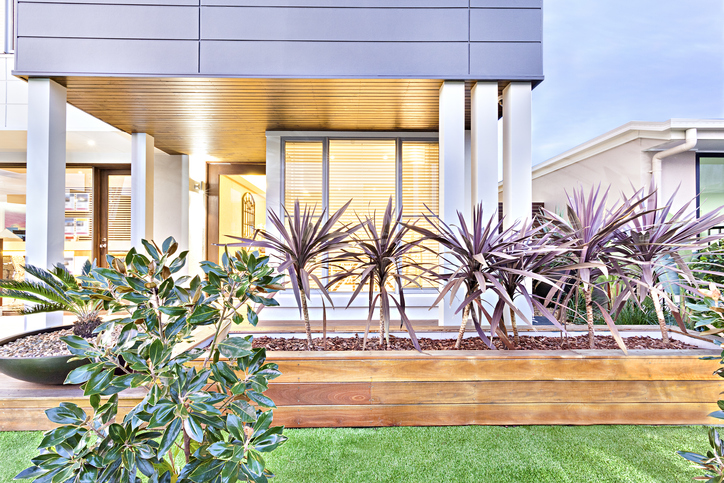
Busy schedules make constant yard work frustrating. That’s why searches for low-maintenance landscape design continue to grow. Homeowners want outdoor spaces that look good without requiring endless upkeep.
Low-maintenance landscaping focuses on smart design—not neglect.
Start With a Layout That Reduces Work
Low maintenance begins with layout. Poorly designed landscapes often create hard-to-reach areas, awkward corners, and high-wear zones.
Thoughtful landscape design:
- Improves accessibility
- Reduces unnecessary lawn areas
- Simplifies plant beds
A clean layout means less time spent maintaining.
Hardscapes Play a Major Role in Low Maintenance
Hardscapes such as patios, walkways, and driveways reduce the amount of grass and soil that require care.
Hardscape features:
- Eliminate muddy areas
- Reduce mowing and trimming
- Provide durable, usable space
Professional hardscape installation ensures long-term performance.
Choose Plants That Thrive Naturally
Low-maintenance landscaping doesn’t mean fewer plants—it means choosing the right ones. Plants that match sunlight, soil, and climate conditions require far less care.
Professional plant selection focuses on:
- Proper spacing
- Mature plant size
- Natural growth habits
This reduces pruning, replacement, and watering needs.
Group Plants With Similar Needs
Grouping plants with similar water and sunlight needs makes maintenance easier and more efficient.
This approach:
- Simplifies watering
- Improves plant health
- Reduces stress on the landscape
Professional landscaping uses plant groupings strategically.
Use Rocks and Mulch to Protect Beds
Rocks and mulch are essential for low-maintenance landscapes. They protect soil, suppress weeds, and reduce watering needs.
Proper ground cover:
- Keeps beds clean
- Improves moisture retention
- Reduces weed growth
Professional installation ensures correct depth and placement.
Limit High-Maintenance Features
Some landscaping features look great but require constant upkeep. Tight corners, overcrowded beds, and delicate plantings increase maintenance demands.
Low-maintenance design avoids:
- Overly complex layouts
- Plants that require frequent pruning
- Materials that wear quickly
Simplicity leads to sustainability.
Lighting Adds Value Without Added Work
Landscape lighting enhances safety and appearance without increasing maintenance. Modern lighting systems are durable and energy-efficient.
Outdoor lighting:
- Improves nighttime usability
- Highlights design features
- Requires minimal upkeep
Lighting adds value with little effort.
Plan for Growth, Not Just Day One
Landscapes that look perfect on installation day can become difficult to maintain if growth isn’t planned for.
Low-maintenance planning includes:
- Mature plant spacing
- Long-term layout considerations
- Durable material choices
Planning ahead prevents future headaches.
Why Professional Landscaping Makes Low Maintenance Possible
Professional landscapers understand how design choices affect upkeep. They balance beauty with practicality to create landscapes that are easy to care for.
Professional landscaping services help:
- Reduce long-term maintenance
- Improve durability
- Deliver lasting results
Experience matters.
Is Low-Maintenance Landscaping Right for You?
If you want an attractive yard without constant work, low-maintenance landscape design is an excellent solution. With the right plan, your outdoor space can look great year-round with less effort.

If you want a beautiful outdoor space that fits your lifestyle and reduces upkeep, professional landscaping can help design a low-maintenance solution tailored to your property.
Contact Bayscapes today to schedule a free consultation and explore low-maintenance landscaping options designed for long-term beauty and ease.

