
.svg)


How to Tell If Your Landscaping Problems Are Design Issues, Not Maintenance
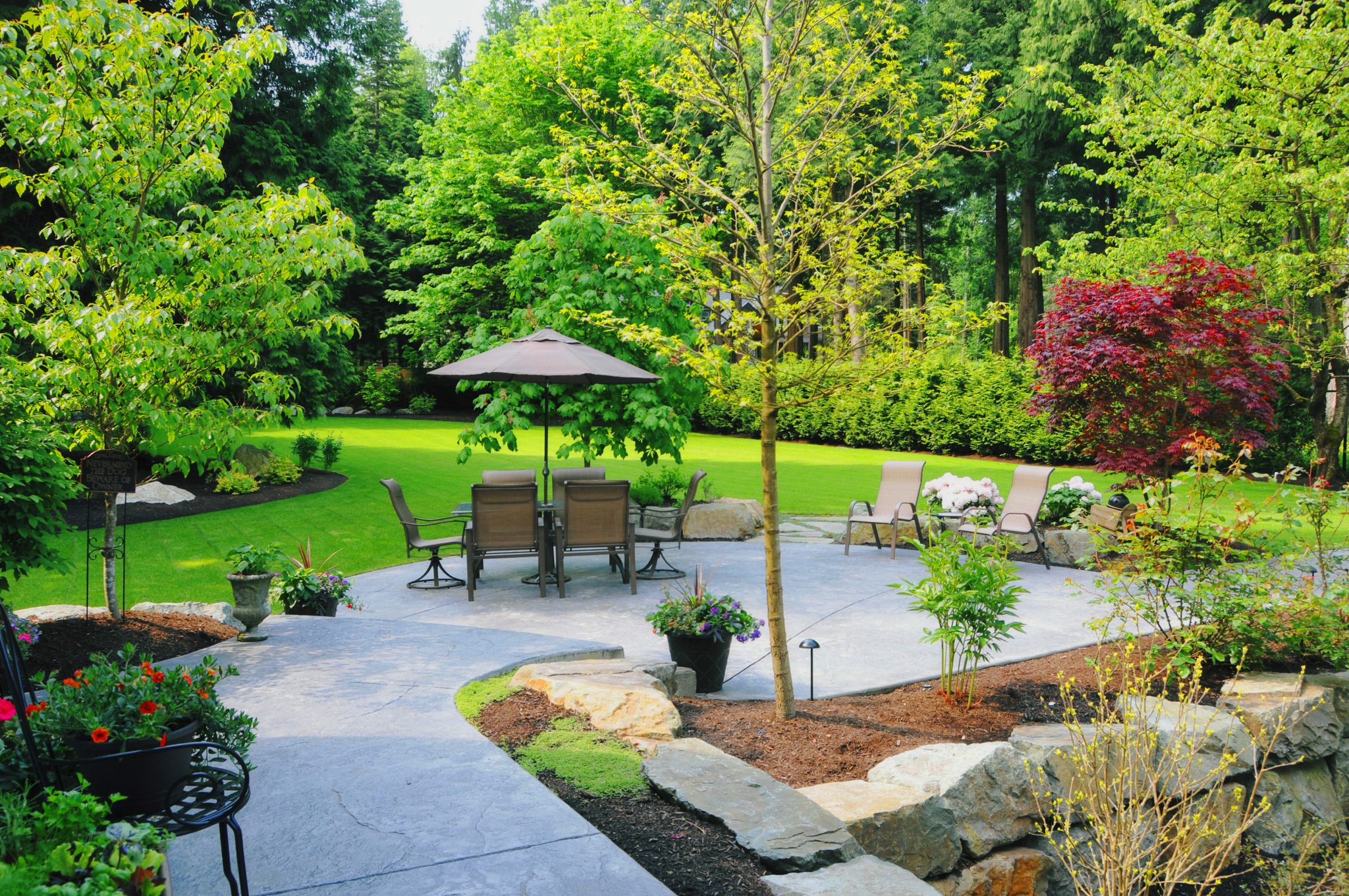
Many homeowners assume recurring landscaping issues are caused by poor maintenance. But in reality, most ongoing problems stem from landscaping design problems, not lack of effort.
If plants keep dying, areas stay muddy, or layouts never feel right, the issue is likely rooted in the original design.
Signs Your Landscaping Issues Are Design-Related
Design problems often show up repeatedly, no matter how much effort you put into upkeep. Common signs include:
- Plants failing despite proper care
- Areas that never dry out
- Spaces that remain unused
- Constant need for trimming or replacement
When problems persist, design—not maintenance—is usually the culprit.
Poor Plant Placement Creates Ongoing Issues
One of the most common landscaping design problems is poor plant placement. Plants that don’t match sunlight, soil, or spacing requirements struggle long-term.
Design-based plant issues lead to:
- Stunted growth
- Increased disease
- Frequent replacement
Professional landscaping design selects plants based on long-term success, not short-term appearance.
Layout Problems Can’t Be Fixed With Maintenance
If walkways feel awkward, seating areas go unused, or the yard feels disjointed, maintenance won’t solve the issue.
Landscape design problems related to layout include:
- Poor flow between areas
- No defined outdoor zones
- Features placed without purpose
Fixing these issues requires redesign, not trimming or cleanup.
Drainage Issues Are Almost Always Design Problems
Standing water and erosion are rarely maintenance issues. These problems typically come from improper grading or poor integration of hardscapes.
Design-level drainage problems cause:
- Plant failure
- Soil erosion
- Hardscape damage
Professional landscaping addresses water flow during the design phase, not as an afterthought.
Overdesigned Landscapes Increase Maintenance
Landscapes with too many small beds, tight corners, or excessive plant variety often require constant upkeep.
Good landscape design simplifies:
- Plant groupings
- Layout complexity
- Maintenance requirements
If upkeep feels overwhelming, design is likely the issue.
Why Maintenance Alone Doesn’t Fix Design Problems
Maintenance keeps a landscape healthy—but it can’t correct poor layout, spacing, or grading. Continually maintaining a flawed design often leads to frustration and wasted effort.
Design issues must be addressed at the root to see lasting improvement.
How Professional Landscaping Identifies Design Issues
Professional landscapers evaluate landscapes differently than homeowners. They look at:
- Flow and usability
- Plant health patterns
- Water movement
- Long-term growth
Professional landscaping services diagnose whether problems are design-related and recommend effective solutions.
When a Landscape Redesign Makes More Sense
If multiple problems exist across the yard, a redesign may be more effective than piecemeal fixes. Redesigning allows issues to be addressed together rather than repeatedly.
A redesign focuses on:
- Function
- Longevity
- Balance
This creates lasting improvements.
How to Prevent Landscaping Problems in the Future
Homeowners can avoid design-related landscaping problems by:
- Planning for long-term growth
- Prioritizing layout and flow
- Addressing drainage early
- Working with professionals
Design-first thinking prevents recurring issues.

If you’ve tried maintaining your landscape and the same problems keep returning, design is likely the cause. Fixing the design solves the problem at its source.
Thoughtful landscape design transforms outdoor spaces from frustrating to functional—saving time, money, and effort in the long run.

