
.svg)


Landscaping Tips Every First-Time Homeowner Should Know
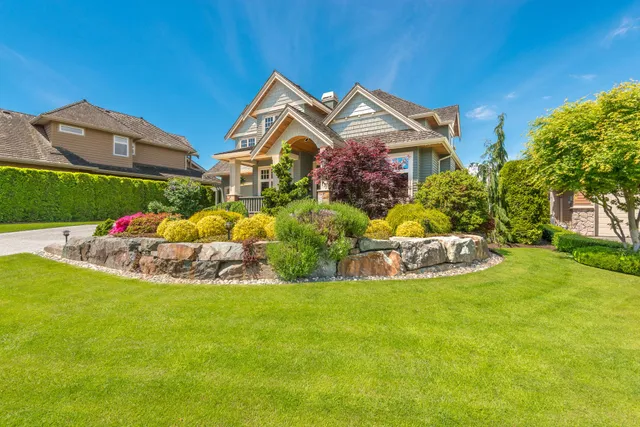
Buying your first home comes with a long list of responsibilities, and landscaping is often one of the most confusing. Many new homeowners search for landscaping tips for first-time homeowners because they want their yard to look good without making costly mistakes.
The good news is that landscaping doesn’t have to be complicated when you focus on the basics first.
Start by Understanding Your Property
Before making any changes, take time to observe your yard. Notice how sunlight moves across the space, where water collects after rain, and which areas get the most use.
Understanding these factors helps guide landscaping decisions and prevents issues like dying plants or poor drainage later on.
Focus on Function Before Appearance
One of the most important landscaping design tips for first-time homeowners is to prioritize function. While it’s tempting to focus on aesthetics, functionality determines how usable and enjoyable your outdoor space will be.
Consider:
- Where you walk most often
- How you access the yard
- Where seating or gathering areas could go
Functional landscaping naturally leads to better design outcomes.
Don’t Overplant Your Yard
A common mistake new homeowners make is planting too much too soon. Overcrowded plants may look good initially but quickly become difficult to maintain.
Spacing plants properly allows them to grow naturally and keeps maintenance manageable. It also makes the landscape feel more open and intentional.
Choose Low-Maintenance Options Early
Low-maintenance landscaping is ideal for first-time homeowners still adjusting to homeownership. Choosing hardy plants and durable materials reduces upkeep and stress.
Low-maintenance options include:
- Climate-appropriate plants
- Simple planting layouts
- Hardscapes like walkways or patios
These choices help create a yard that’s easy to care for long-term.
Understand the Importance of Drainage
Drainage issues are often overlooked by new homeowners. Standing water, muddy areas, or erosion can damage landscaping and structures over time.
Pay attention to how water moves across your yard and address issues early through proper grading and landscaping planning.
Plan Landscaping in Phases
Landscaping doesn’t need to be completed all at once. Many homeowners find success by planning projects in phases, starting with the most impactful areas.
Phased landscaping helps:
- Spread out costs
- Avoid rushed decisions
- Improve the yard gradually
Professional landscaping services can help prioritize upgrades.
Avoid DIY Mistakes That Cost More Later
While DIY projects can be tempting, improper installation often leads to higher costs later. Mistakes with planting depth, materials, or grading can cause long-term problems.
Professional landscaping ensures:
- Proper installation
- Better long-term results
- Fewer maintenance issues
When to Call a Professional Landscaper
If you’re unsure where to start or worried about making mistakes, working with a professional landscaper is a smart move. Professionals help first-time homeowners create a clear plan that fits both budget and lifestyle.
Professional landscaping guidance saves time, money, and frustration.

Starting with thoughtful landscaping planning allows first-time homeowners to build a yard that grows with them. Instead of constantly fixing problems, you’ll enjoy a landscape that’s functional, attractive, and easy to maintain.
With the right approach, landscaping becomes one of the most rewarding parts of owning a home.

