
.svg)


Low-Maintenance Landscaping Ideas for Busy Homeowners
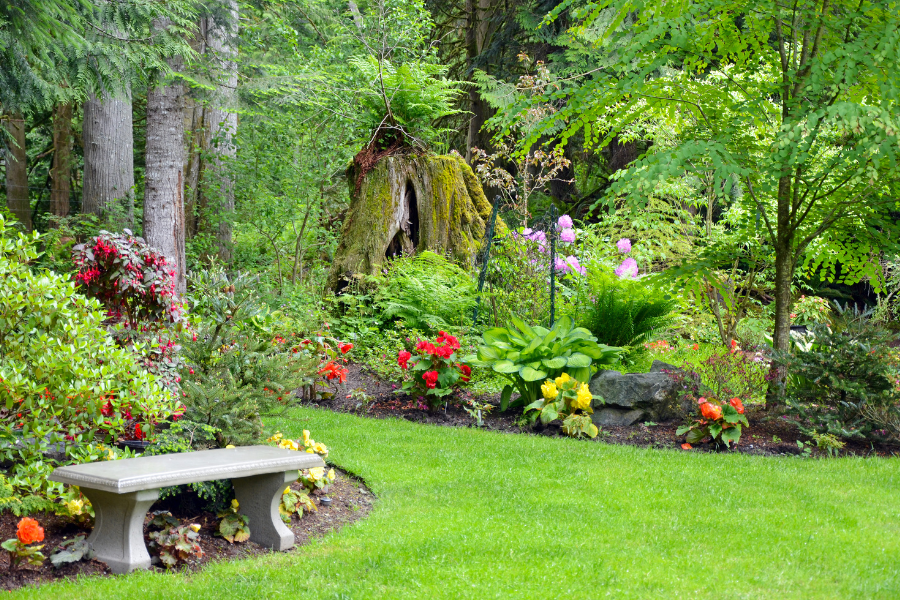
Many homeowners love having an attractive yard but don’t want to spend every weekend maintaining it. That’s why low-maintenance landscaping has become such a popular search topic.
Low-maintenance landscaping focuses on smart design choices that reduce ongoing work while still creating a polished, inviting outdoor space.
What Makes Landscaping Low Maintenance?
Low-maintenance landscape design isn’t about eliminating plants or features — it’s about choosing the right ones. Proper planning ensures your yard works with your lifestyle, not against it.
Key elements include:
- Plants that thrive in local conditions
- Proper spacing to reduce pruning
- Durable materials that last
- Thoughtful layout and design
When these elements are combined, maintenance naturally decreases.
Plant Choices That Require Less Upkeep
One of the most effective ways to reduce maintenance is choosing the right plants. Many homeowners struggle because they select plants that require constant attention.
Low-maintenance landscaping favors:
- Hardy shrubs and ground cover
- Native or climate-appropriate plants
- Slow-growing varieties
- Plants with similar water needs
Professional landscapers understand which plants perform best long-term, reducing replacement and upkeep.
Using Hardscapes to Reduce Yard Work
Hardscapes play a major role in low-maintenance landscaping. Features like patios, walkways, and decorative rock beds reduce the amount of lawn or garden space that needs regular care.
Hardscaping helps by:
- Eliminating mowing in certain areas
- Reducing weed growth
- Creating defined, functional spaces
When paired with proper landscaping design, hardscapes make outdoor spaces easier to manage.
Rocks and Mulch for Easier Maintenance
Replacing grass or high-maintenance beds with rocks or mulch can significantly reduce upkeep. These materials help control weeds, retain moisture, and improve the overall look of the landscape.
Rock landscaping is especially popular for homeowners who want durability and minimal replacement, while mulch works well in planting areas where soil health matters.
Smart Landscape Design Reduces Maintenance
Low-maintenance landscaping starts with a plan. Proper design ensures plants have enough room to grow and features are placed where they make the most sense.
Professional landscape design helps:
- Prevent overcrowding
- Improve drainage
- Reduce future redesigns
- Create a cohesive look
Design mistakes often lead to more maintenance, not less.
Why Professional Installation Matters
Even low-maintenance materials require proper installation. Poor grading, incorrect plant placement, or shallow bases can cause ongoing issues.
Professional landscaping ensures:
- Correct soil preparation
- Proper material depth
- Long-lasting performance
This approach keeps maintenance low while protecting your investment.

If you want a yard that looks great without constant upkeep, low-maintenance landscaping is a smart solution. With the right plants, materials, and design, homeowners can enjoy their outdoor space instead of working on it.
Thoughtful planning and professional installation create landscapes that remain attractive, functional, and easy to maintain for years.

