
.svg)


Why Some Landscapes Age Poorly and How to Prevent It
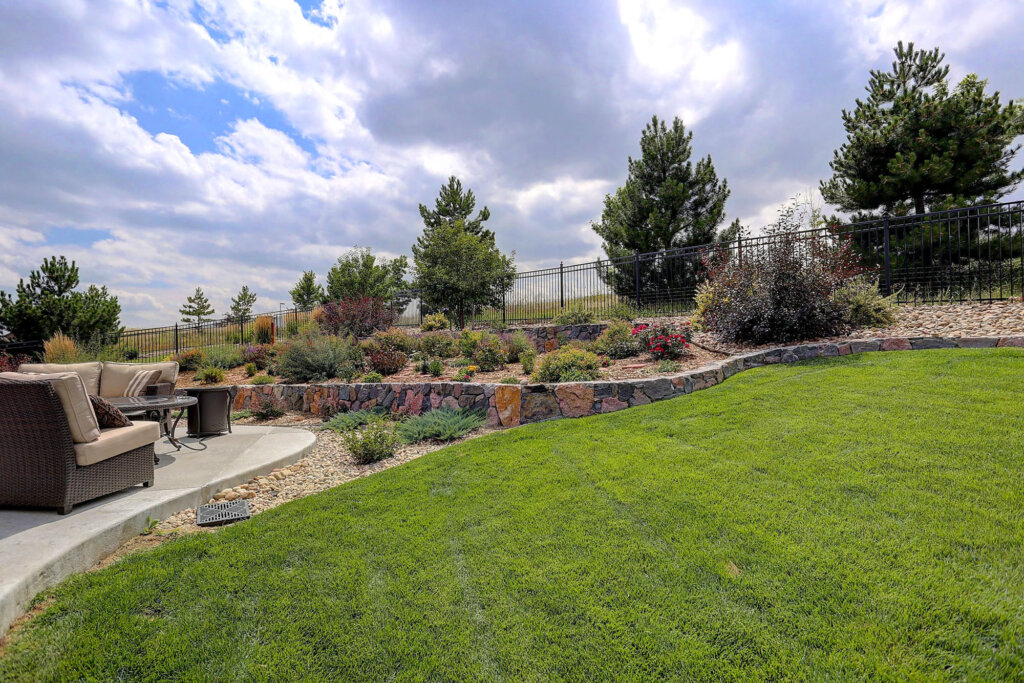
Many homeowners are surprised when a landscape that once looked great begins to feel messy, outdated, or difficult to maintain just a few years later. That’s why searches around landscaping aging poorly are becoming more common.
In most cases, the issue isn’t neglect—it’s design decisions made early on without long-term growth in mind.
Designing Only for the Short Term
One of the biggest reasons landscapes age poorly is designing for how things look on day one instead of how they’ll look years later. Plants that are too close together or materials chosen without durability in mind often create problems over time.
Good landscape design plans for maturity, not immediacy.
Overcrowded Planting Is a Common Cause
Overcrowding plants may look full initially, but it almost always leads to problems later. As plants mature, overcrowding causes:
- Poor air circulation
- Increased maintenance
- Unbalanced appearance
Long-lasting landscaping uses proper spacing to allow natural growth without constant intervention.
Choosing Trendy Materials Over Timeless Ones
Trendy materials and styles can quickly make a landscape feel dated. Homeowners often regret designs that don’t age well with the home itself.
Professional landscaping focuses on:
- Timeless materials
- Neutral palettes
- Cohesive design
This approach ensures landscapes remain attractive longer.
Ignoring Maintenance During Design
Some landscapes require more upkeep than homeowners expect. Designs that rely on constant pruning, watering, or replacement often feel overwhelming over time.
Long-lasting landscaping design considers:
- Realistic maintenance levels
- Durable plant choices
- Simplified layouts
This keeps the yard manageable as it matures.
Poor Layout Leads to Long-Term Frustration
Landscapes that age poorly often have layout issues from the start. Awkward paths, unused areas, or mismatched zones become more noticeable over time.
Thoughtful landscape design improves:
- Flow and usability
- Visual balance
- Long-term satisfaction
Layout is just as important as materials and plants.
Drainage Problems Accelerate Landscape Decline
Water issues speed up wear and tear. Poor drainage leads to erosion, plant failure, and damaged hardscapes.
Landscaping that ages well addresses:
- Proper grading
- Water flow management
- Integration with hardscapes
Fixing drainage early prevents ongoing issues.
Why Professional Landscaping Helps Landscapes Age Better
Professional landscapers design with the future in mind. They understand growth patterns, material performance, and long-term maintenance needs.
Professional landscaping services help homeowners:
- Avoid redesigns
- Reduce maintenance stress
- Protect their investment
This leads to landscapes that improve with time instead of declining.
How to Design Landscaping That Ages Gracefully
Homeowners can prevent landscaping from aging poorly by:
- Planning for mature plant size
- Choosing durable materials
- Avoiding overly trendy designs
- Working with experienced professionals
These choices create landscapes that remain attractive and functional for years.
Can an Aging Landscape Be Corrected?
Yes. Many aging landscapes can be refreshed or redesigned without starting from scratch. Professional evaluation helps determine what can be improved versus replaced.
With the right approach, even aging landscapes can regain balance and appeal.

Landscaping should improve over time, not become a burden. When designed thoughtfully, outdoor spaces mature gracefully and continue to enhance the home.
By focusing on long-term design principles, homeowners can enjoy landscaping that stays beautiful, functional, and relevant for years to come.

