
.svg)


Why Your Landscape Feels Awkward (And How Better Flow Fixes It)
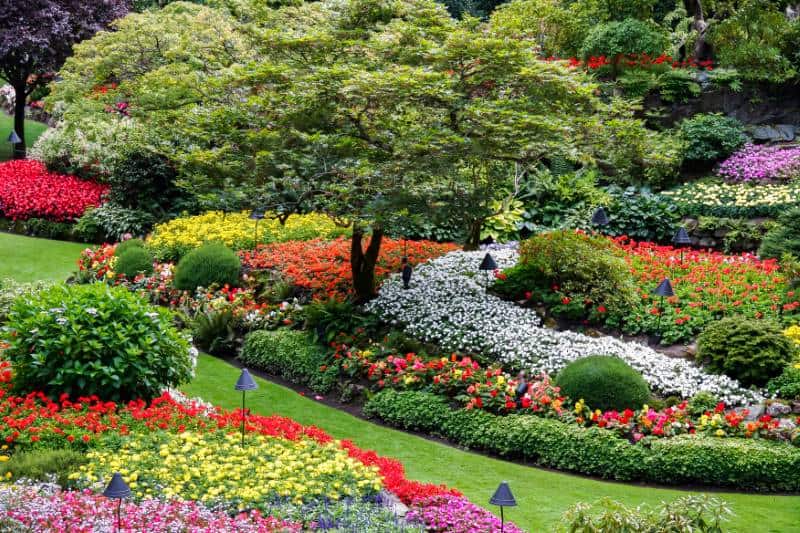
Many homeowners struggle to explain why their yard feels uncomfortable. That’s why searches for landscape flow design are common. The space may look fine, but movement feels awkward or areas feel disconnected.
In most cases, the issue isn’t size—it’s flow.
What Landscape Flow Actually Means
Landscape flow refers to how easily people move through and use an outdoor space. Good flow feels natural and intuitive.
Poor flow often shows up as:
- Awkward walking paths
- Areas that go unused
- Features that feel randomly placed
Design solves these problems.
Poor Walkway Placement Breaks Flow
Walkways guide movement. When paths aren’t clear or logical, people avoid certain areas.
Professional landscaping improves flow by:
- Aligning walkways with natural movement
- Connecting key areas
- Eliminating unnecessary detours
Clear paths make spaces easier to use.
Disconnected Zones Reduce Usability
Outdoor spaces work best when zones connect smoothly. Seating areas, patios, and gardens should relate to one another.
Landscape design creates connection by:
- Positioning zones intentionally
- Using hardscapes as anchors
- Framing areas with plantings
Connection improves comfort.
Hardscapes Create Structure for Better Flow
Patios, walkways, and driveways help organize outdoor spaces. Without them, landscapes can feel loose or undefined.
Hardscapes improve flow by:
- Establishing clear routes
- Defining usable areas
- Supporting transitions
Structure brings order to the yard.
Plant Placement Can Block or Guide Movement
Plants influence how people move through a space. Poor placement can block paths or make areas feel crowded.
Professional landscaping uses plants to:
- Guide movement
- Frame walkways
- Open sightlines
Planting design supports flow.
Drainage Issues Disrupt Flow
Standing water or muddy areas naturally stop movement. Drainage problems often force people to avoid certain parts of the yard.
Professional landscaping addresses:
- Grading
- Water direction
- Long-term drainage solutions
Dry paths improve usability.
Lighting Helps Reinforce Flow After Dark
Without lighting, even well-designed flow disappears at night. Landscape lighting guides movement and highlights transitions.
Lighting supports flow by:
- Illuminating walkways
- Highlighting steps
- Defining zones
Flow should work day and night.
Too Many Features Can Break Flow
Overloading a yard with features can make movement confusing. More isn’t always better.
Professional design focuses on:
- Simplicity
- Purposeful placement
- Balanced layouts
Clarity improves flow.
Why Professional Landscaping Improves Flow
Professional landscapers understand how people naturally move through space. They design layouts that feel intuitive rather than forced.
Professional landscaping services help:
- Identify movement patterns
- Create logical layouts
- Improve everyday usability
Experience matters.
How Good Flow Changes How the Yard Feels
When flow is right, the yard feels:
- More comfortable
- Easier to navigate
- More inviting
Movement becomes effortless.
Is Poor Flow Making Your Yard Feel Awkward?
If your outdoor space feels disconnected or uncomfortable, improving flow may be the solution. Thoughtful design transforms how the yard functions.

If your yard feels awkward or hard to use, professional landscaping can redesign the layout to improve movement, comfort, and everyday enjoyment.
Contact Bayscapes today to schedule a free consultation and explore landscaping solutions designed to improve flow and functionality.

