
.svg)


Why Your Yard Feels Hard to Maintain (And How Better Design Fixes It)
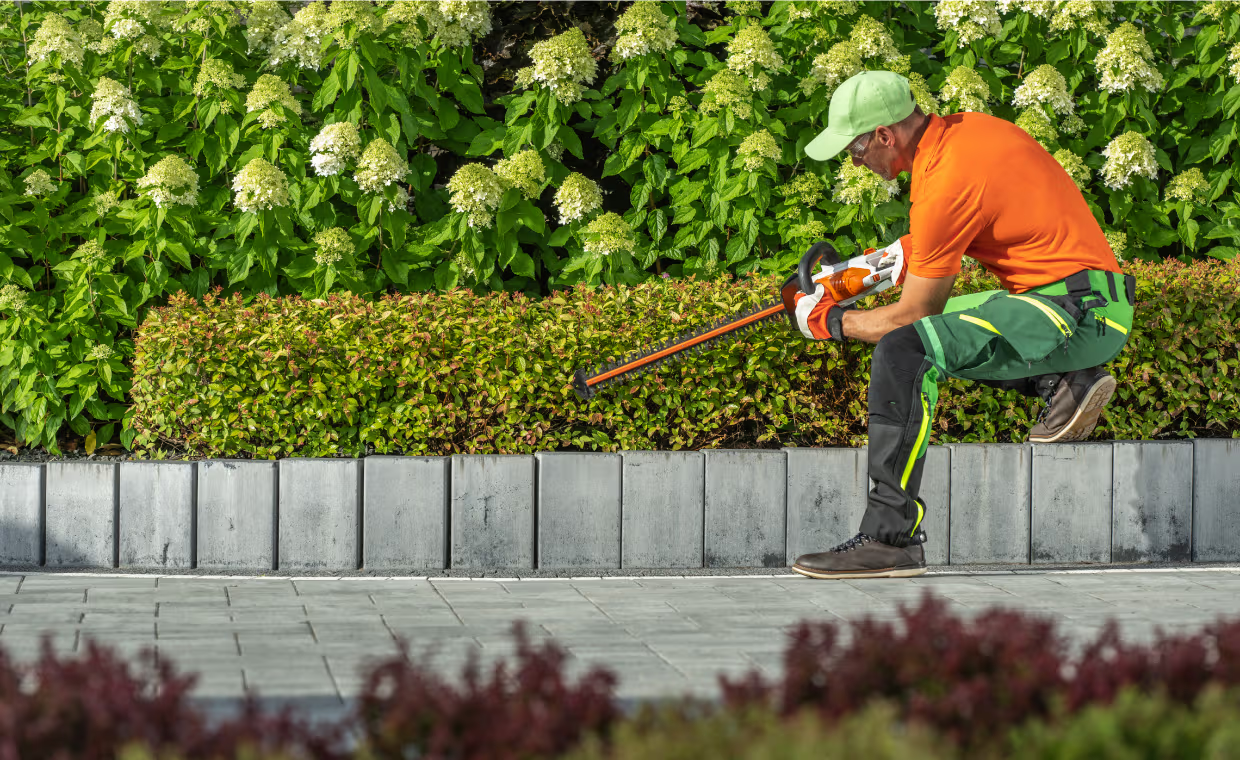
Many homeowners feel like their yard constantly needs work. That’s why searches for a hard to maintain yard are so common. Even with regular effort, the landscape may never feel under control.
In most cases, the issue isn’t effort—it’s design.
Poor Layout Creates Extra Work
A confusing or cluttered layout increases maintenance demands. Tight corners, awkward edges, and hard-to-reach areas make basic upkeep harder than it should be.
Landscape design reduces maintenance by:
- Simplifying shapes and lines
- Improving access to beds
- Eliminating wasted or awkward spaces
Good layout saves time and energy.
Overcrowded Planting Leads to Constant Trimming
Plants placed too close together may look full at first, but quickly require constant pruning and replacement.
Overcrowding causes:
- Poor airflow
- Increased disease
- Frequent trimming
Professional landscaping spaces plants for mature growth, not day-one appearance.
Plant Selection That Doesn’t Match the Site
Plants that don’t match sunlight, soil, or moisture conditions require extra care to survive.
Poor plant selection leads to:
- Frequent replacement
- Excess watering
- Ongoing frustration
Professional plant selection focuses on plants that naturally thrive.
Too Much Lawn Can Increase Maintenance
Large lawn areas require frequent mowing, edging, and watering. Many yards include more lawn than necessary for how the space is actually used.
Landscape design reduces lawn maintenance by:
- Adding hardscapes
- Creating usable outdoor zones
- Replacing unused grass areas
Less lawn often means less work.
Hardscapes Reduce Repetitive Upkeep
Patios, walkways, and defined surfaces reduce muddy areas and wear patterns that increase maintenance.
Hardscapes help by:
- Reducing erosion
- Improving accessibility
- Eliminating high-wear grass areas
Professional installation ensures durability.
Poor Drainage Increases Maintenance Issues
Standing water and erosion make maintenance harder and damage plants over time. Drainage problems often force homeowners to constantly repair affected areas.
Professional landscaping addresses:
- Grading issues
- Water flow direction
- Long-term drainage solutions
Good drainage reduces recurring problems.
Inconsistent Materials Create Extra Work
Using too many materials or styles can make maintenance more complicated. Different materials require different care routines.
Landscape design improves efficiency by:
- Limiting material variety
- Creating consistent bed styles
- Simplifying upkeep
Consistency reduces confusion.
Maintenance Can’t Fix Design Problems
Many homeowners try to solve design issues through maintenance, but trimming and refreshing mulch won’t correct layout or plant placement problems.
Design problems require:
- Structural changes
- Better layout
- Smarter plant planning
Design comes before maintenance.
How Professional Design Makes Yards Easier to Maintain
Professional landscapers design landscapes with long-term upkeep in mind. They plan for growth, access, and durability from the start.
Professional landscaping services help:
- Reduce weekly upkeep
- Minimize replacement needs
- Create sustainable designs
Smart design lowers long-term effort.
Low-Maintenance Doesn’t Mean Boring
Low-maintenance landscapes can still look beautiful and polished. The key is thoughtful planning—not fewer features.
Well-designed landscapes:
- Age gracefully
- Require less work
- Stay visually appealing
Function and beauty can coexist.
Is Your Yard Working Against You?
If your yard feels like constant work, it may be time to rethink the design. A landscape should support your lifestyle—not add stress.

If you’re tired of constant upkeep and want a landscape that looks great with less effort, professional landscaping design can make a lasting difference.
Contact Bayscapes today to schedule a free consultation and explore low-maintenance landscaping solutions tailored to your property and lifestyle.

