
.svg)


Common Patio Design Mistakes Homeowners Should Avoid
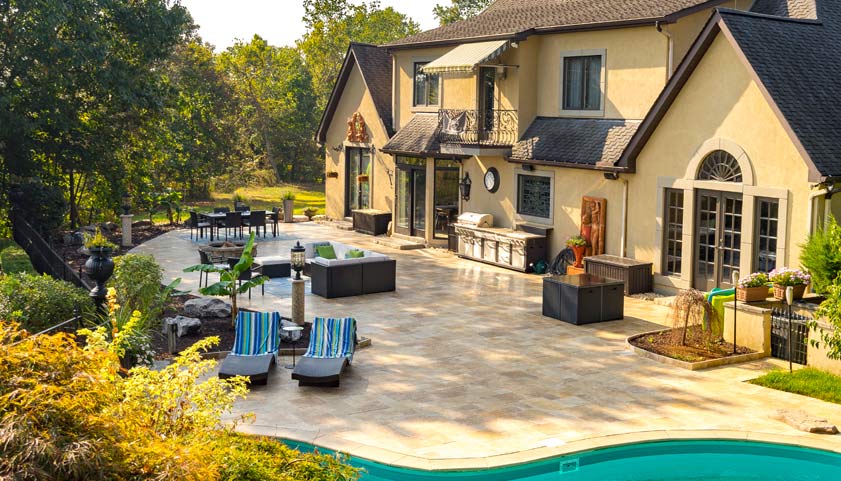
Patios look simple—but they’re one of the most misdesigned outdoor features. That’s why searches for patio design mistakes are so common. Small planning errors can lead to discomfort, drainage issues, or patios that rarely get used.
Good design matters more than materials alone.
Mistake #1: Building a Patio Without a Purpose
One of the biggest mistakes homeowners make is installing a patio without defining how it will be used.
A patio should be designed for:
- Seating and relaxing
- Dining and entertaining
- Clear movement and access
Purpose should guide size and placement.
Mistake #2: Choosing the Wrong Patio Location
Location affects comfort, usability, and long-term satisfaction.
Poor placement can result in:
- Excessive sun exposure
- Poor drainage
- Awkward access from the home
Professional landscaping evaluates placement carefully.
Mistake #3: Ignoring Drainage and Slope
Drainage is one of the most critical patio design elements—and one of the most overlooked.
Poor drainage leads to:
- Standing water
- Shifting surfaces
- Long-term damage
Proper slope protects the patio and surrounding landscape.
Mistake #4: Making the Patio Too Small
Undersized patios quickly feel cramped and uncomfortable.
A patio should allow space for:
- Furniture
- Walkways
- Comfortable movement
Adequate sizing improves usability.
Mistake #5: Forgetting About Shade
Without shade, patios often go unused during warmer months.
Shade planning may include:
- Strategic placement
- Landscape elements
- Layout orientation
Comfort determines how often the patio is used.
Mistake #6: Choosing Materials Without Considering Maintenance
Some materials look great initially but require more upkeep than expected.
Material selection should consider:
- Weather exposure
- Cleaning requirements
- Long-term durability
Maintenance should match your lifestyle.
Mistake #7: Poor Integration With the Landscape
Patios should feel connected—not isolated.
Poor integration causes:
- Abrupt transitions
- Visual imbalance
- Disconnected outdoor spaces
Design cohesion improves flow.
Mistake #8: Skipping Lighting in the Design Phase
Lighting added later often feels forced or incomplete.
Early lighting planning:
- Improves safety
- Enhances ambiance
- Extends usability
Lighting should be part of the original plan.
Mistake #9: Overdecorating the Patio Area
Too many features can overwhelm the space.
Overdecorated patios:
- Feel cluttered
- Reduce usable space
- Age poorly
Simple designs age better.
Mistake #10: DIY Installation Without Proper Preparation
DIY patio installations often fail due to poor base preparation.
Common DIY issues include:
- Uneven surfaces
- Shifting materials
- Drainage failure
Installation quality determines longevity.
Why Patio Design Mistakes Are Costly to Fix
Fixing a poorly designed patio often requires partial or full replacement.
Mistakes increase:
- Repair costs
- Disruption
- Long-term frustration
Getting it right the first time matters.
Why Professional Landscaping Prevents Patio Design Problems
Professional landscapers design patios as part of the entire outdoor environment.
Professional landscaping services help:
- Choose the right location
- Plan proper drainage
- Integrate patios with landscaping
Experience avoids rework.
Well-Designed Patios Get Used More Often
The best patios feel natural, comfortable, and functional.
Design directly impacts enjoyment.

Contact Bayscapes today to schedule a free consultation and explore patio design and installation solutions tailored to your home and lifestyle.

