
.svg)


Hardscaping vs. Landscaping: What’s the Difference and Why You Need Both
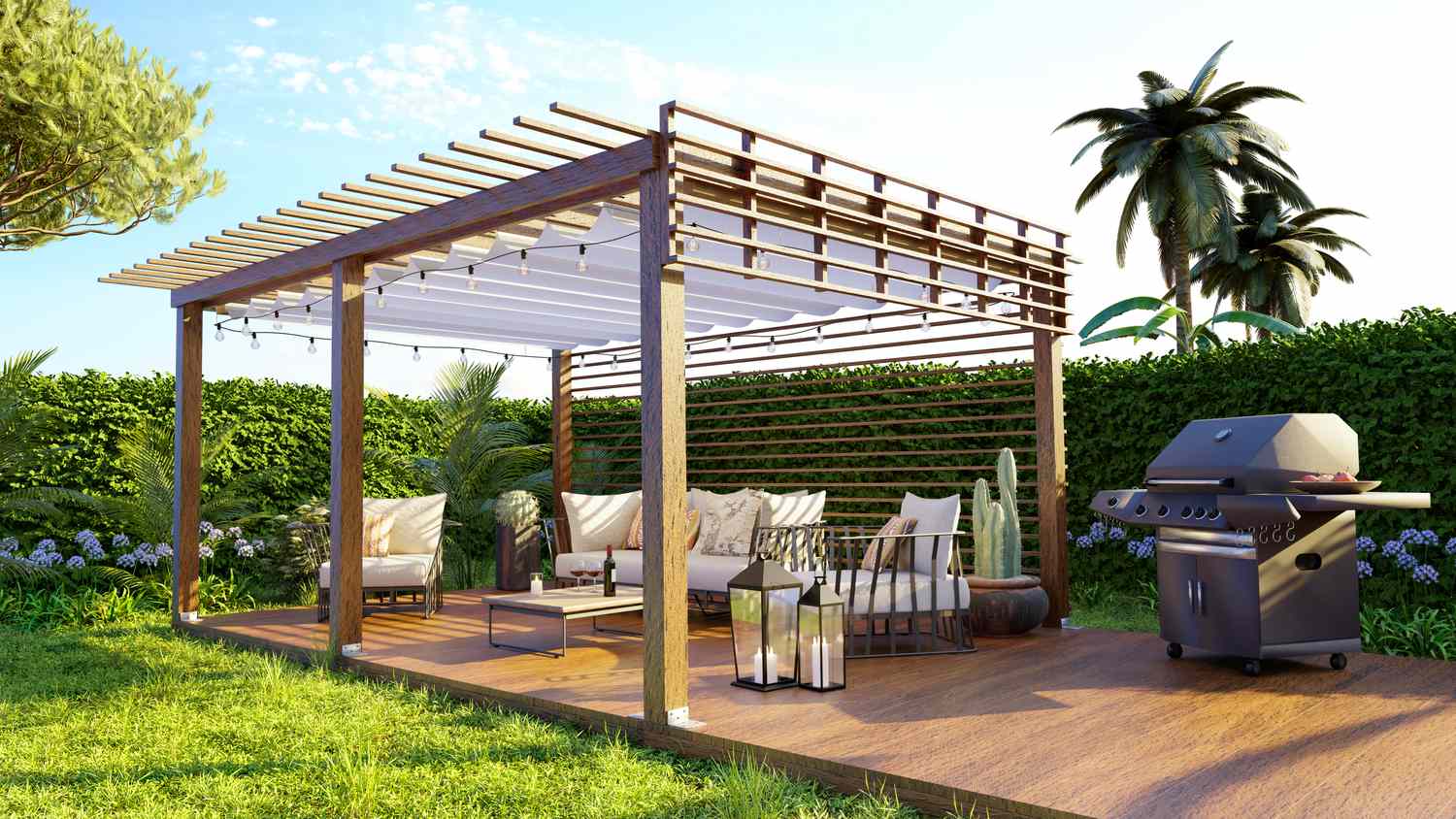
When planning outdoor projects, homeowners often hear the terms “hardscaping” and “landscaping” used together. That’s why searches for hardscaping vs landscaping are so common. Understanding the difference helps homeowners plan smarter and avoid incomplete designs.
Both play important roles.
What Landscaping Refers To
Landscaping focuses on the living elements of the yard and how they’re arranged.
Landscaping includes:
- Plant selection and placement
- Lawn and bed design
- Mulch and ground cover
- Overall layout planning
Landscaping adds softness and life.
What Hardscaping Refers To
Hardscaping involves the non-living, structural elements of the landscape.
Hardscaping includes:
- Patios and walkways
- Driveways
- Retaining walls
- Edging and borders
Hardscapes provide structure and usability.
Why Landscaping Alone Isn’t Enough
Landscaping without hardscaping often lacks structure.
Without hardscapes:
- Lawns wear quickly
- Movement feels unclear
- Maintenance increases
Plants need structure to thrive.
Why Hardscaping Alone Feels Incomplete
Hardscapes without landscaping can feel harsh and uninviting.
Without landscaping:
- Spaces feel flat
- Design lacks warmth
- Curb appeal suffers
Plants soften hard surfaces.
How Landscaping and Hardscaping Work Together
The best outdoor spaces balance both elements.
Together they:
- Improve functionality
- Enhance appearance
- Reduce maintenance
Balance creates harmony.
Hardscapes Help Define How Outdoor Spaces Are Used
Hardscapes create defined areas for specific purposes.
Examples include:
- Patios for entertaining
- Walkways for navigation
- Retaining walls for elevation control
Defined spaces improve usability.
Landscaping Adds Comfort and Visual Interest
Plants provide shade, color, texture, and privacy.
Landscaping enhances:
- Comfort
- Seasonal interest
- Natural beauty
It brings the space to life.
Maintenance Is Easier With the Right Balance
Balanced landscapes often require less work than plant-heavy designs.
Hardscapes:
- Reduce lawn areas
- Limit foot traffic damage
- Simplify upkeep
Efficiency matters.
Design Should Consider Both From the Start
Treating hardscaping and landscaping as separate phases often creates issues.
Integrated design:
- Improves flow
- Prevents rework
- Enhances long-term performance
Planning avoids problems.
Why DIY Projects Often Miss the Balance
DIY projects often focus on one element and ignore the other.
Professional landscaping avoids:
- Overbuilt hardscapes
- Overcrowded planting
- Disconnected layouts
Experience ensures balance.
Why Professional Landscaping Delivers Better Results
Professional landscapers understand how plants and structures interact.
Professional landscaping services help:
- Design cohesive outdoor spaces
- Balance durability and beauty
- Reduce long-term maintenance
Expert planning creates lasting value.
Hardscaping and Landscaping Both Matter
Neither element should be an afterthought. Together, they create functional, attractive outdoor spaces.
Balance is the key to success.

If you’re considering patios, walkways, planting, or a full landscape update, professional landscaping can help balance hardscaping and landscaping for the best results.
Contact Bayscapes today to schedule a free consultation and explore outdoor design solutions that combine hardscaping and landscaping for long-term performance and beauty.

