
.svg)


How Landscaping Creates Privacy Without Closing Off Your Yard
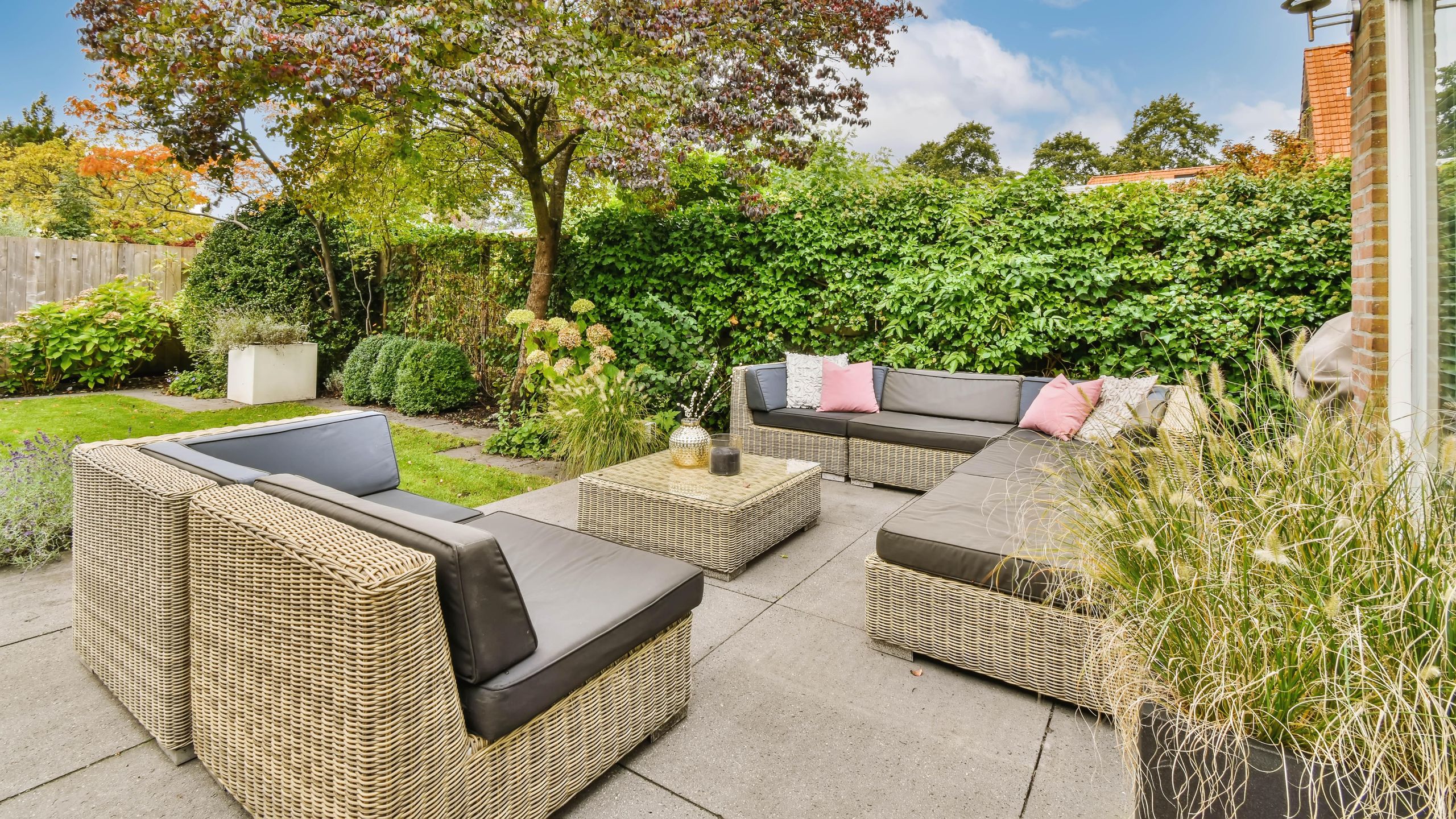
Privacy is one of the most common reasons homeowners invest in landscaping. That’s why searches for outdoor privacy landscaping are so common. Whether it’s nearby neighbors, street exposure, or noise, privacy concerns can make an otherwise beautiful yard feel uncomfortable.
The right design creates separation without isolation.
Privacy Landscaping Is About Balance
One of the biggest misconceptions is that privacy requires tall, solid barriers. In reality, effective privacy landscaping balances openness and coverage.
Good privacy design:
- Blocks unwanted views
- Maintains airflow and light
- Feels natural, not boxed in
Balance creates comfort.
Plant Selection Plays a Major Role
Plants are one of the most effective tools for privacy. Different plant types provide different levels of screening.
Privacy-focused plantings may include:
- Layered shrubs
- Taller plantings along boundaries
- Mixed textures for density
Professional landscaping selects plants that grow predictably.
Layering Creates Better Coverage Than Single Rows
Single rows of plants often leave gaps over time. Layered landscaping creates depth and more effective screening.
Layered design:
- Improves visual coverage
- Reduces long-term gaps
- Looks more natural
Depth increases effectiveness.
Hardscapes Can Support Privacy Without Feeling Heavy
Hardscapes like walls or raised planters can enhance privacy when used strategically.
Hardscape privacy features:
- Define boundaries
- Add structure
- Support planting design
Used correctly, they feel intentional—not restrictive.
Privacy Can Be Targeted, Not Total
Not every part of the yard needs privacy. Targeted solutions focus on the most exposed or uncomfortable areas.
Targeted privacy design:
- Protects seating areas
- Screens specific sightlines
- Preserves open views elsewhere
Precision matters.
Height and Placement Matter More Than Quantity
More plants don’t always mean more privacy. Strategic height and placement determine effectiveness.
Professional landscaping considers:
- Sightline angles
- Mature plant height
- Seasonal growth patterns
Planning prevents overplanting.
Privacy Landscaping Should Still Allow Light and Airflow
Blocking all light or airflow makes outdoor spaces uncomfortable. Good privacy design allows both.
Balanced design:
- Maintains breeze
- Preserves natural light
- Prevents enclosed feeling
Comfort remains the priority.
Privacy Solutions Should Match the Landscape Style
Privacy landscaping should feel like part of the overall design—not an afterthought.
Consistent design:
- Matches home style
- Integrates with existing landscaping
- Improves curb appeal
Cohesion improves aesthetics.
Why DIY Privacy Landscaping Often Misses the Mark
DIY privacy attempts often focus on speed rather than strategy, leading to overcrowding or ineffective coverage.
Professional landscaping avoids:
- Poor plant spacing
- Mismatched plant types
- Long-term maintenance issues
Experience leads to better results.
Why Professional Landscaping Creates Better Privacy Solutions
Professional landscapers understand how plants grow, how sightlines work, and how to balance privacy with openness.
Professional landscaping services help:
- Identify problem areas
- Design layered solutions
- Deliver long-term privacy
Expert design improves comfort.
When It’s Time to Add Privacy Landscaping
You may benefit from privacy landscaping if:
- Neighbors feel too close
- Outdoor spaces go unused
- Street exposure reduces comfort
Small changes can dramatically improve enjoyment.

If your yard feels exposed or uncomfortable, professional landscaping can create privacy solutions that feel natural, balanced, and inviting.
Contact Bayscapes today to schedule a free consultation and explore outdoor privacy landscaping solutions designed for comfort, beauty, and long-term performance.

