
.svg)


How Landscaping Helps Prevent Erosion and Water Damage in Your Yard
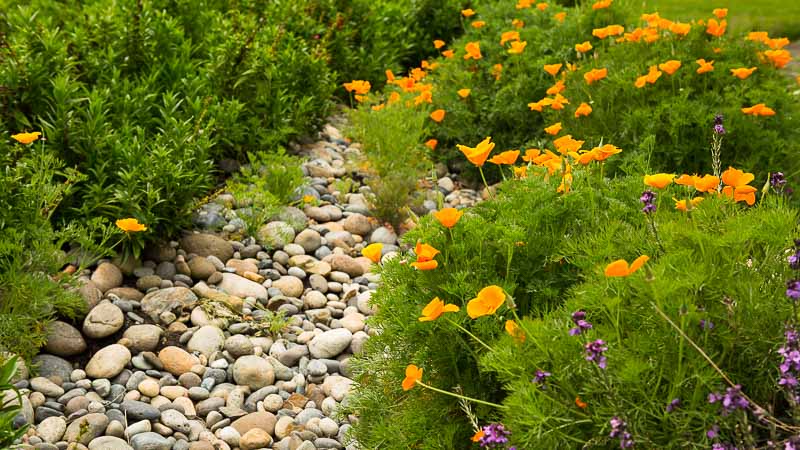
Many homeowners notice soil washing away, muddy areas, or water pooling after heavy rain. That’s why searches for landscaping erosion control are so common. Left unaddressed, erosion can damage plants, hardscapes, and even a home’s foundation.
Water management should be part of every landscape plan.
How Poor Drainage Leads to Erosion
When water doesn’t have a clear path to flow, it finds one—often taking soil with it. Poor drainage is one of the biggest contributors to erosion.
Drainage problems can cause:
- Washed-out plant beds
- Exposed roots
- Uneven ground
Professional landscaping addresses water movement early.
Grading Is the Foundation of Erosion Control
Proper grading directs water away from vulnerable areas. Even subtle changes in slope can dramatically improve performance.
Grading helps:
- Control runoff direction
- Protect plant roots
- Prevent soil displacement
Good grading protects the entire landscape.
Planting Plays a Key Role in Holding Soil
Plants do more than add beauty—they stabilize soil. Roots help hold soil in place and absorb excess moisture.
Erosion-resistant planting includes:
- Deep-rooted plants
- Ground covers
- Strategically placed shrubs
Plant selection matters.
Mulch and Ground Cover Reduce Soil Loss
Bare soil is highly vulnerable to erosion. Mulch and ground cover protect soil from heavy rainfall.
Benefits include:
- Reduced runoff impact
- Improved moisture retention
- Cleaner landscape appearance
Coverage improves stability.
Hardscapes Can Help Manage Water Flow
Hardscapes aren’t just structural—they can help control erosion when designed correctly.
Hardscape solutions may include:
- Retaining walls
- Walkways that redirect runoff
- Defined edges for plant beds
Integration improves performance.
Retaining Walls Provide Structural Support
On sloped properties, retaining walls are often essential for erosion control.
They help by:
- Holding soil in place
- Creating level planting areas
- Preventing downhill movement
Proper installation is critical.
Runoff Control Protects Nearby Areas
Uncontrolled runoff doesn’t just affect one area—it can damage neighboring sections of the yard.
Landscape design considers:
- Where water enters
- How it exits
- Which areas need protection
Whole-yard planning matters.
Erosion Problems Get Worse Over Time
Erosion rarely fixes itself. Small issues often become major problems if ignored.
Early intervention:
- Reduces repair costs
- Protects landscaping investment
- Prevents structural damage
Acting early saves money.
Why DIY Erosion Fixes Often Fail
Temporary DIY solutions often treat symptoms without addressing root causes.
Professional landscaping avoids:
- Ineffective quick fixes
- Repeated soil loss
- Ongoing frustration
Expert planning delivers lasting results.
Why Professional Landscaping Is Essential for Erosion Control
Professional landscapers understand how water, soil, and slope interact.
Professional landscaping services help:
- Diagnose erosion causes
- Design long-term solutions
- Protect property and landscaping
Experience prevents future damage.
Signs Your Yard Needs Erosion Control Landscaping
You may need erosion solutions if you notice:
- Exposed roots
- Washed-out beds
- Uneven or sinking areas
- Muddy spots after rain
These signs shouldn’t be ignored.
Landscaping That Manages Water Performs Better Long-Term
When erosion and drainage are addressed, plants thrive and hardscapes last longer.
Water management improves the entire landscape.

If your yard struggles with runoff, erosion, or drainage issues, professional landscaping can design solutions that protect your property long-term.
Contact Bayscapes today to schedule a free consultation and explore erosion control landscaping solutions built for stability, durability, and long-term performance.

