
.svg)


How Much Does a Patio Cost and What Affects the Price?
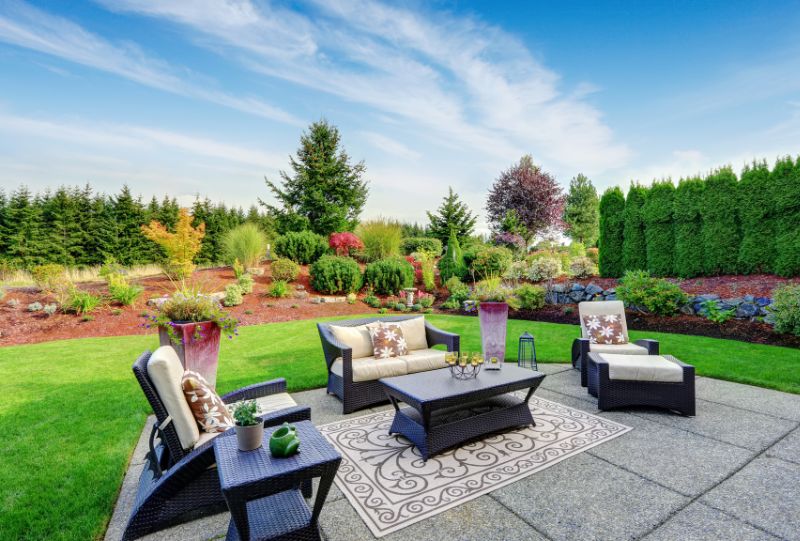
One of the most common questions homeowners ask before upgrading their outdoor space is: how much does a patio cost? Whether you’re planning a small seating area or a full outdoor living space, patio costs can vary depending on several important factors.
Understanding what influences patio pricing can help you budget properly and make smarter decisions for your project.
Average Patio Cost for Homeowners
The cost of a patio can vary widely depending on size, materials, and design complexity. While there isn’t a one-size-fits-all price, most homeowners can expect patio costs to fall within a broad range.
Factors like custom features, layout, and site conditions can increase or decrease the final cost. That’s why it’s important to focus less on exact numbers and more on what drives the price.
When homeowners search for patio cost, they’re typically trying to understand:
- What fits their budget
- What features are worth investing in
- How to avoid unexpected expenses
Material Choice Plays a Major Role
One of the biggest factors that affects patio cost is the material you choose. Each option offers different benefits in terms of durability, appearance, and maintenance.
Common patio materials include:
- Concrete: Affordable and clean-looking
- Pavers: Durable, customizable, and popular
- Natural stone: Premium option with a high-end finish
Higher-end materials will increase your patio cost, but they often provide better longevity and visual appeal.
Size and Layout Impact Pricing
The larger your patio, the higher the cost. However, size isn’t the only factor—layout also plays a key role.
Simple, square patios are generally more affordable, while more complex designs with curves, multiple levels, or built-in features can increase labor and material costs.
If you’re trying to manage your patio cost, consider:
- Keeping the layout simple
- Prioritizing essential features first
- Planning for future additions
Site Preparation and Installation
Before installation begins, the area needs to be properly prepared. This can include grading, leveling, and ensuring proper drainage.
Site conditions can significantly affect patio cost, especially if:
- The ground is uneven
- Drainage issues need to be addressed
- Existing structures need to be removed
Proper preparation is critical for long-term durability, so it’s not something to cut corners on.
Additional Features That Increase Patio Cost
Many homeowners choose to enhance their patio with extra features that improve comfort and functionality.
These may include:
- Built-in seating
- Fire pits
- Outdoor lighting
- Walkways or extensions
While these upgrades increase patio cost, they also add value and make the space more enjoyable.
How to Get the Best Value for Your Investment
Instead of focusing only on the lowest patio cost, it’s better to think about long-term value. A well-designed and properly installed patio will last for years and require less maintenance.
To get the best results:
- Choose durable materials
- Work with experienced professionals
- Plan your design carefully
- Invest in features you’ll actually use
This approach ensures your patio delivers both functionality and return on investment.

Ready to start planning your patio? Work with Bayscapes to design a space that fits your vision, budget, and outdoor lifestyle.

