
.svg)


How to Plan a Landscaping Budget Without Guesswork
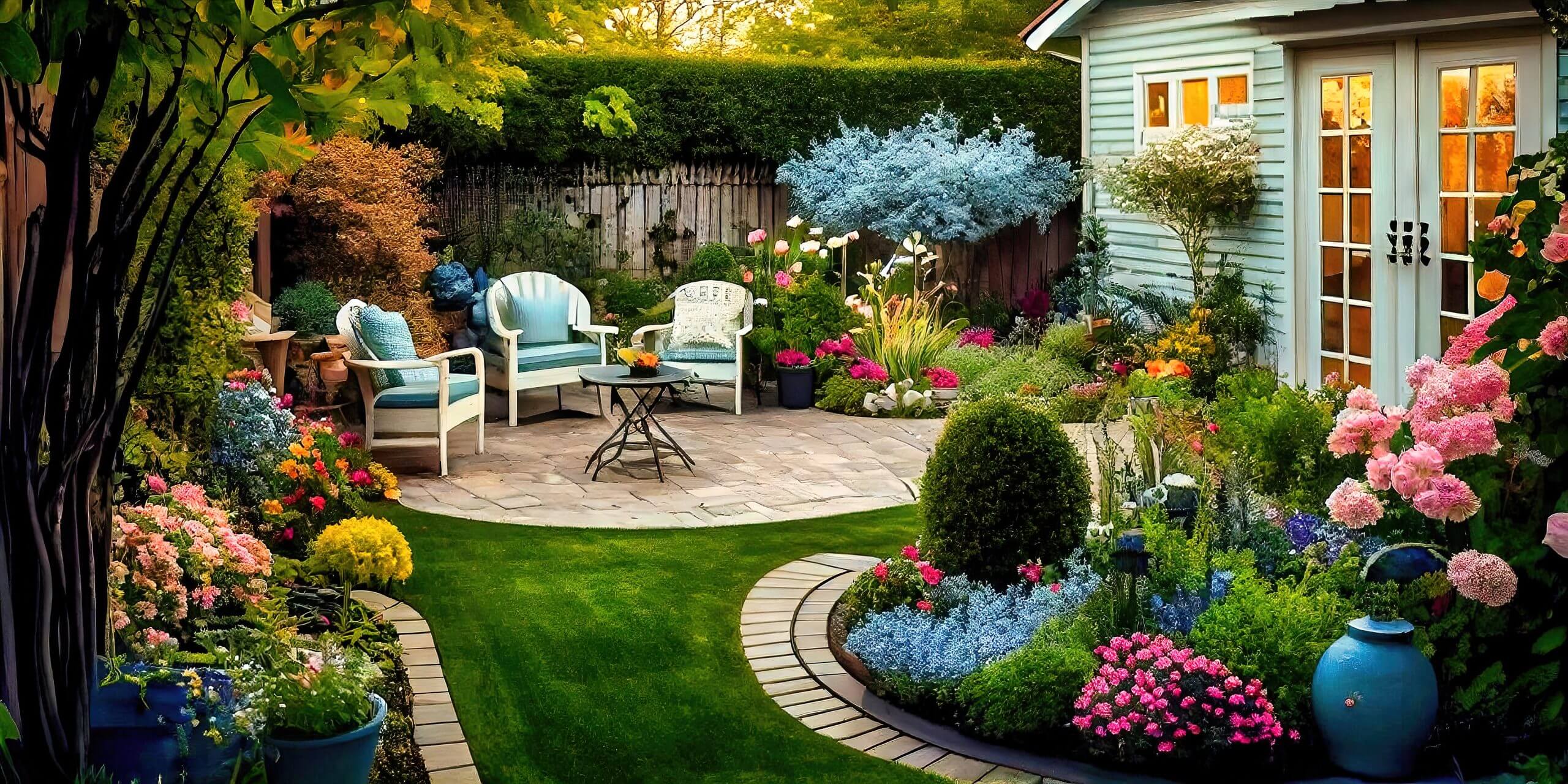
Budget uncertainty is one of the biggest reasons homeowners delay landscaping projects. That’s why searches for landscaping budget planning are so common. Without clear guidance, it’s difficult to know what’s realistic—or where money should be spent.
A good budget starts with understanding priorities.
Budgeting Starts With How You Want to Use the Space
Before numbers are discussed, function matters most. Landscaping budgets should reflect how the space will actually be used.
Questions to ask include:
- Will this be a daily-use space or occasional?
- Are you prioritizing curb appeal or outdoor living?
- Which areas feel most important right now?
Clear goals guide smarter budgeting.
Design Helps Control Costs
One of the biggest budgeting mistakes is skipping design. Without a plan, costs often increase due to changes and rework.
Landscape design helps by:
- Defining scope early
- Preventing impulse decisions
- Aligning features with budget
Planning reduces waste.
Hardscapes Usually Take the Largest Share
Patios, walkways, and driveways are often the most expensive parts of a project—but also the most durable.
Hardscapes cost more because they involve:
- Base preparation
- Materials
- Skilled installation
They also deliver long-term value.
Planting Costs Vary Widely
Planting budgets depend on plant size, quantity, and layout. Larger plants cost more upfront but may reduce the time it takes for a landscape to mature.
Professional landscaping helps:
- Balance plant size and cost
- Avoid overplanting
- Choose long-lasting options
Smart plant selection protects the budget.
Lighting Is a Flexible Budget Item
Landscape lighting can often be scaled up or down depending on budget. It delivers high impact without requiring major construction.
Lighting allows for:
- Phased installation
- Targeted placement
- Strong visual return
It’s often a cost-effective upgrade.
Drainage and Preparation Should Never Be Skipped
Drainage work may not be visible, but skipping it leads to expensive repairs later.
Budgeting for drainage:
- Protects landscaping investment
- Prevents rework
- Improves long-term performance
Hidden work still matters.
Phased Projects Make Budgeting Easier
Phasing allows homeowners to spread costs over time while still working toward a complete design.
Phased budgeting helps:
- Reduce upfront pressure
- Prioritize key features
- Maintain long-term vision
Design-build landscaping supports smart phasing.
Why Low Budgets Often Lead to Higher Costs
Trying to minimize costs without planning often leads to mistakes that require fixing later.
Common budget pitfalls include:
- Rushed decisions
- Poor material choices
- Skipping preparation
Cheap upfront often costs more later.
Professional Guidance Brings Budget Clarity
Professional landscapers help homeowners understand what’s realistic for their budget and goals.
Professional landscaping services help:
- Prioritize spending
- Set realistic expectations
- Avoid unnecessary upgrades
Clarity builds confidence.
What a Realistic Landscaping Budget Feels Like
A good landscaping budget feels:
- Aligned with goals
- Predictable
- Flexible
- Intentional
It supports the design instead of limiting it.
Planning Your Budget Early Saves Stress Later
The earlier budget conversations happen, the smoother the project becomes. Clear planning eliminates surprises and keeps expectations aligned.

If you’re considering landscaping upgrades and want clear guidance on budgeting and priorities, professional planning makes all the difference.
Contact Bayscapes today to schedule a free consultation and create a landscaping plan that aligns with your goals, timeline, and budget—without guesswork.

