
.svg)


How Walkway Design Improves Safety, Flow, and Curb Appeal
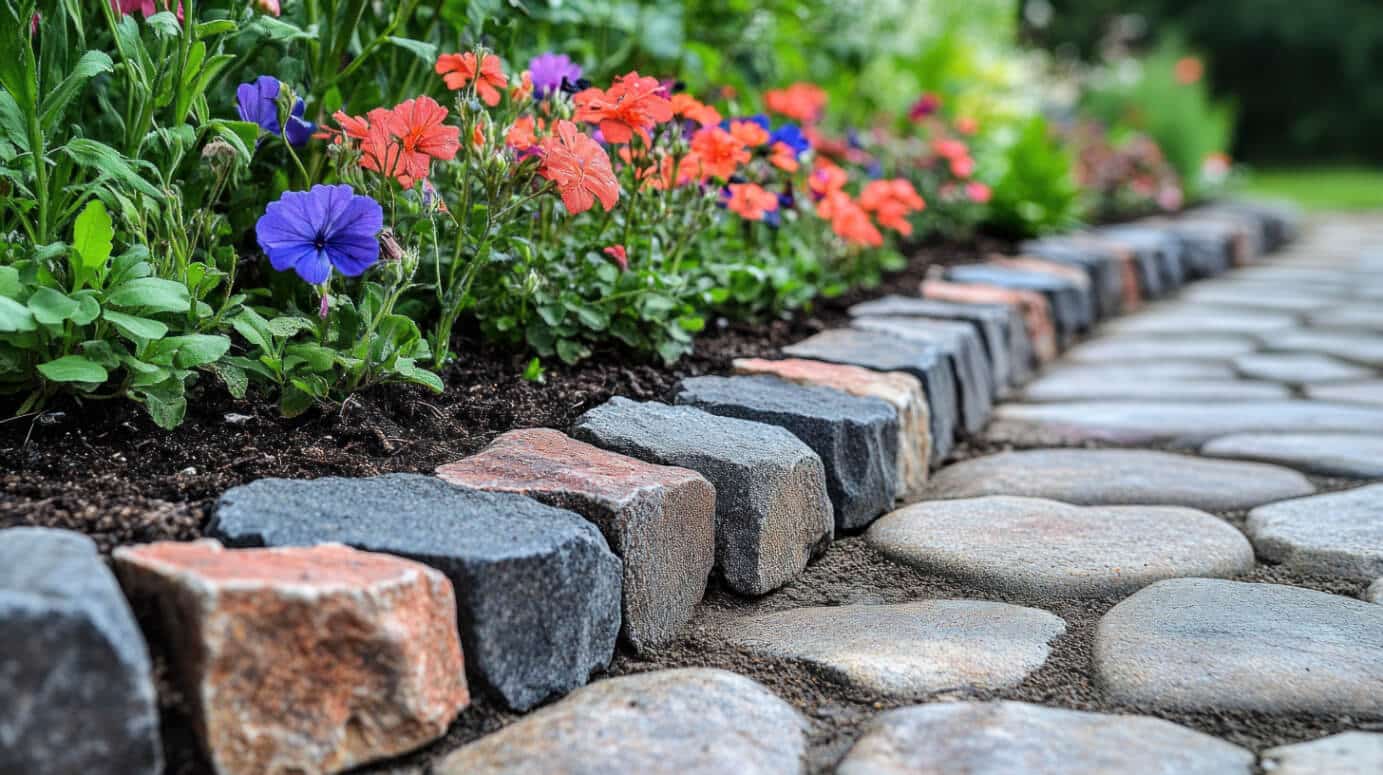
Many homeowners overlook walkways until they become inconvenient or unsafe. That’s why searches for walkway design landscaping are so common. Walkways do more than connect spaces—they guide movement and shape how a landscape is experienced.
A poorly designed walkway affects both function and appearance.
Walkways Control How People Move Through the Yard
Walkways naturally guide where people walk. Without clear paths, foot traffic cuts through grass or plant beds.
Professional walkway design:
- Creates intuitive movement
- Protects landscaping
- Improves daily usability
Clear paths reduce wear and frustration.
Safety Is One of the Biggest Benefits of Good Walkway Design
Uneven ground, muddy areas, or unclear routes increase the risk of slips and falls. Walkways provide stable surfaces that improve safety year-round.
Well-designed walkways:
- Reduce tripping hazards
- Improve visibility
- Support safe access to entries
Safety should always be a priority.
Walkways Improve Curb Appeal Instantly
A clean, intentional walkway improves the first impression of a home. It directs attention toward the entry and makes the landscape feel organized.
Curb appeal benefits include:
- A welcoming approach
- Visual structure
- Balanced front yard design
Walkways often anchor the entire landscape.
Material Choice Affects Look and Longevity
Walkway materials should complement the home and surrounding landscaping. Texture and color play a major role in appearance.
Material considerations include:
- Durability
- Maintenance needs
- Visual consistency
Professional landscaping helps select the right materials.
Walkway Width and Layout Matter
Walkways that are too narrow or awkwardly placed feel uncomfortable to use. Proper proportions make paths feel natural.
Professional design considers:
- Comfortable walking space
- Smooth transitions
- Logical placement
Layout affects everyday comfort.
Drainage Should Be Built Into Walkway Design
Walkways change how water moves across a property. Poor drainage can cause pooling or erosion around paths.
Professional walkway installation accounts for:
- Grading
- Water flow direction
- Long-term stability
Drainage planning prevents future repairs.
Walkways Help Define Landscape Zones
Paths help separate planting areas, lawns, and outdoor living spaces. This creates a sense of organization.
Defined walkways:
- Improve flow
- Reduce clutter
- Support functional zones
Structure brings clarity.
Lighting Makes Walkways Safer and More Inviting
Walkway lighting improves visibility at night and enhances curb appeal.
Lighting benefits include:
- Safer navigation after dark
- Highlighted path edges
- Enhanced nighttime appearance
Subtle lighting works best.
Why DIY Walkways Often Fall Short
DIY walkways often lack proper base preparation or drainage, leading to shifting or uneven surfaces.
Professional landscaping avoids:
- Poor alignment
- Premature wear
- Drainage issues
Quality installation ensures longevity.
Why Professional Walkway Design Delivers Better Results
Professional landscapers design walkways as part of the overall landscape—not as an afterthought.
Professional landscaping services help:
- Improve safety and flow
- Enhance curb appeal
- Deliver durable results
Integration makes the difference.
When It’s Time to Update or Add Walkways
You may need new or updated walkways if:
- Paths feel awkward or unsafe
- Foot traffic damages landscaping
- The entry lacks definition
Small changes can have a big impact.

If your yard needs safer, more functional walkways that also enhance curb appeal, professional design and installation can transform how your space is used.
Contact Bayscapes today to schedule a free consultation and explore walkway design solutions built for safety, beauty, and long-term performance.

