
.svg)


What to Plan Before Starting a Landscaping Project
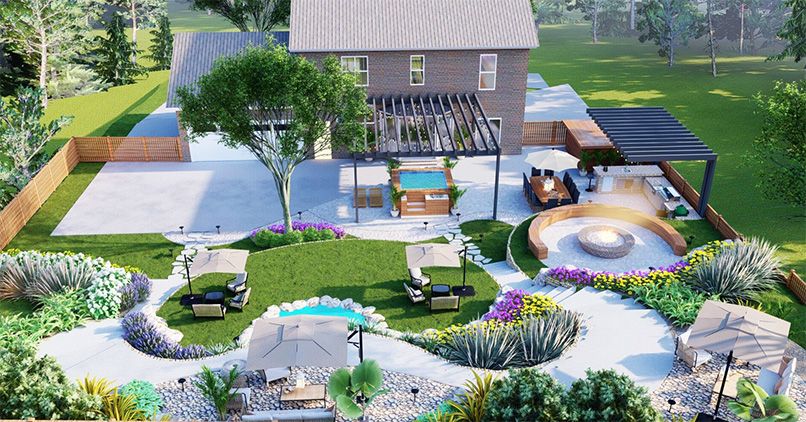
Many landscaping problems don’t come from poor workmanship—they come from poor planning. That’s why searches for planning a landscaping project are so common. Homeowners want to avoid wasted money, design regrets, and constant revisions.
Good planning leads to smoother results.
Start With How You Want to Use the Space
Before choosing plants or materials, homeowners should define how the yard will be used.
Important questions include:
- Will the space be for entertaining or relaxing?
- Will children or pets use the area?
- Will the space be used daily or occasionally?
Function should guide every decision.
Understand Your Property’s Natural Conditions
Every yard has limitations and opportunities. Ignoring them leads to frustration.
Key factors include:
- Sun and shade patterns
- Soil conditions
- Drainage and slope
Professional landscaping evaluates these early.
Set a Realistic Budget Range
Having a budget range—not just a number—helps guide design decisions without limiting creativity.
Budget planning helps:
- Prioritize features
- Balance materials and scope
- Avoid last-minute changes
Clarity prevents stress.
Think About Long-Term Maintenance
Landscapes should match your maintenance comfort level. High-maintenance designs often become neglected over time.
Consider:
- How much upkeep you want
- Seasonal maintenance needs
- Accessibility for care
Low-maintenance planning saves time.
Plan the Layout Before Choosing Materials
Material selection should come after layout—not before.
Good layout planning:
- Improves flow
- Defines usable zones
- Prevents overcrowding
Structure comes first.
Account for Drainage and Water Flow Early
Drainage issues are easiest to fix during planning—not after installation.
Early planning includes:
- Identifying low areas
- Managing runoff
- Protecting hardscapes and plants
Water management is essential.
Decide Which Features Matter Most
Trying to do everything at once often leads to compromise.
Prioritization helps:
- Focus the design
- Allocate budget wisely
- Allow for future phases
Phased planning works well.
Lighting Should Be Planned From the Start
Landscape lighting works best when integrated into the design.
Early lighting planning:
- Improves safety
- Enhances appearance
- Reduces retrofit costs
Lighting completes the space.
Consider How the Landscape Will Mature
Landscapes change over time. Planning should account for plant growth and future needs.
Maturity planning includes:
- Proper spacing
- Predictable growth patterns
- Long-term balance
Growth should improve—not overwhelm—the design.
Why DIY Planning Often Leads to Revisions
DIY planning often focuses on visuals without addressing function or performance.
Professional landscaping avoids:
- Poor spacing
- Drainage problems
- Awkward layouts
Experience prevents rework.
Why Professional Landscaping Makes Planning Easier
Professional landscapers guide homeowners through decisions they may not anticipate.
Professional landscaping services help:
- Clarify goals
- Identify potential issues
- Create realistic, functional plans
Guidance saves time and money.
Good Planning Makes Installation Smoother
Well-planned projects move faster and stay closer to budget.
Planning reduces:
- Delays
- Change orders
- Unexpected problems
Preparation pays off.
Landscaping Success Starts Before the First Shovel
The best landscapes are planned—not rushed.
Thoughtful planning leads to lasting results.

If you’re thinking about upgrading your outdoor space and want to start with a solid plan, professional landscaping guidance makes all the difference.
Contact Bayscapes today to schedule a free consultation and get expert help planning a landscaping project designed for function, beauty, and long-term success.

