
.svg)


Why Landscape Lighting Stops Working (And How to Fix It)
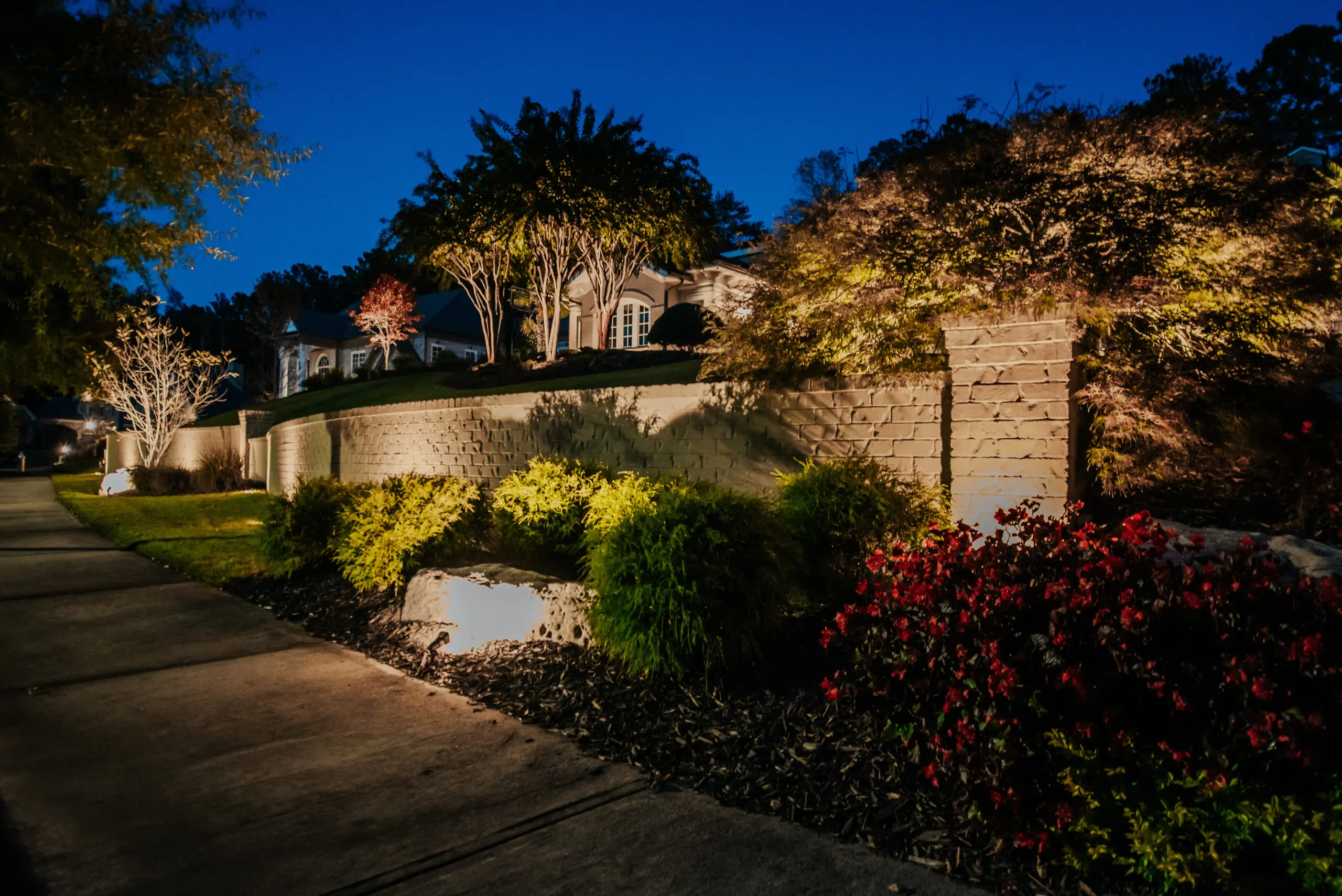
Landscape lighting is designed to be reliable, but over time issues can arise. That’s why searches for landscape lighting not working are so common. Most problems don’t appear suddenly—they develop slowly due to wear, weather, or improper installation.
Understanding the cause is the first step to fixing it.
Loose or Damaged Wiring Is a Common Issue
Wiring issues are one of the most frequent causes of lighting failure. Soil movement, moisture, or accidental damage can loosen connections.
Wiring problems may cause:
- Flickering lights
- Lights that stop working entirely
- Inconsistent brightness
Professional inspection ensures safe repairs.
Moisture Can Affect Lighting Performance
Outdoor lighting systems are exposed to rain and humidity. Over time, moisture can seep into connections or fixtures.
Moisture-related issues include:
- Corrosion
- Short circuits
- Dimming lights
Proper installation and sealing reduce these risks.
Transformer Problems Affect the Entire System
The transformer powers the lighting system. If it malfunctions, multiple lights may stop working at once.
Common transformer issues:
- Overloading
- Age-related failure
- Improper placement
Professional landscaping ensures correct sizing and placement.
Fixtures Shift Over Time
Soil settling or foot traffic can cause fixtures to shift out of position. This affects both lighting performance and appearance.
Fixture movement may:
- Reduce illumination
- Create uneven lighting
- Expose wiring
Periodic adjustment maintains effectiveness.
Bulbs Don’t Last Forever
Even energy-efficient bulbs have a lifespan. Over time, bulbs dim or fail completely.
Regular maintenance includes:
- Replacing worn bulbs
- Checking brightness consistency
- Ensuring correct bulb type
Scheduled checks prevent surprises.
Improper Initial Installation Causes Long-Term Issues
Many lighting problems trace back to installation shortcuts. Incorrect depth, poor wiring connections, or weak fixtures create recurring issues.
Professional installation avoids:
- Shallow wiring
- Inadequate weather protection
- Poor placement
Quality installation reduces future repairs.
Overgrown Landscaping Can Block Light
As plants grow, they may block light output or interfere with fixtures.
Overgrowth issues include:
- Reduced illumination
- Uneven coverage
- Hidden fixtures
Design accounts for plant maturity.
Timers and Controls Need Adjustment
Lighting controls may require resetting after power outages or seasonal changes.
Control-related issues may cause:
- Lights turning on at wrong times
- Inconsistent operation
- Increased energy use
Professional setup ensures correct programming.
Why DIY Fixes Often Don’t Last
DIY repairs may temporarily restore lighting but often fail to address underlying problems.
Professional landscaping avoids:
- Repeat failures
- Unsafe wiring
- Short-term fixes
Expert repairs extend system lifespan.
Why Professional Landscape Lighting Maintenance Matters
Professional landscapers understand how lighting systems interact with the landscape over time.
Professional landscaping services help:
- Diagnose system-wide issues
- Perform safe repairs
- Restore consistent performance
Experience prevents recurring problems.
When to Schedule a Landscape Lighting Inspection
You should consider professional inspection if:
- Multiple lights stop working
- Brightness is inconsistent
- Fixtures look misaligned
- The system is several years old
Early maintenance prevents costly repairs.
Well-Maintained Lighting Performs Better Long-Term
Lighting systems that receive occasional maintenance last longer and look better.
Maintenance protects both function and appearance.

If your landscape lighting is flickering, dim, or not working at all, professional inspection and maintenance can restore performance and safety.
Contact Bayscapes today to schedule a free consultation and explore landscape lighting repair and maintenance solutions designed for reliability and long-term use.

