
.svg)


Why Native Plants Are a Smart Choice for Residential Landscaping
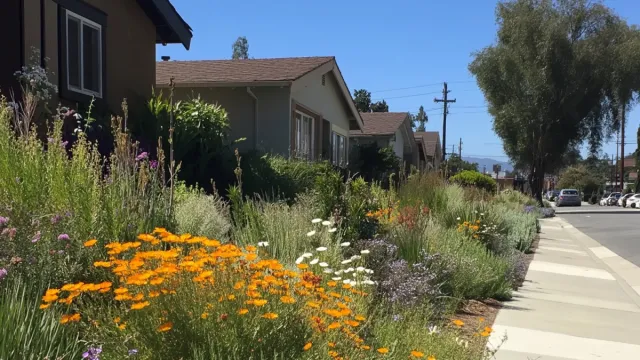
Homeowners want landscapes that look great without constant work. That’s why searches for native plants landscaping continue to grow. Native plants are adapted to local conditions, making them easier to maintain and more reliable over time.
Good landscaping works with nature—not against it.
What Native Plants Mean in Landscaping
Native plants are species that naturally grow in a specific region. Because they evolved in local conditions, they’re better suited to the climate, soil, and rainfall patterns.
Native plant landscaping focuses on:
- Long-term plant health
- Reduced intervention
- Natural growth patterns
Adaptation leads to resilience.
Native Plants Require Less Maintenance
One of the biggest benefits of native landscaping is reduced maintenance. Native plants don’t need constant adjustments to survive.
They typically require:
- Less watering
- Fewer fertilizers
- Minimal pruning
Lower maintenance saves time and money.
Healthier Plants Mean Fewer Replacements
Plants that struggle often need replacing, which adds cost and frustration. Native plants tend to establish more easily and last longer.
Healthy plants offer:
- Strong root systems
- Better resistance to stress
- Consistent growth
Longevity adds value.
Native Plants Work Well With Professional Design
Native plants still require thoughtful placement and spacing. Professional landscaping ensures native plants are used strategically—not randomly.
Design considerations include:
- Mature plant size
- Visual balance
- Layering and depth
Design makes native landscaping look intentional.
Native Landscaping Supports Better Drainage and Soil Health
Because native plants are adapted to local soil, they often improve drainage and reduce erosion.
Benefits include:
- Improved soil structure
- Better water absorption
- Reduced runoff issues
Healthy soil supports the entire landscape.
Native Plants Can Still Look Polished and Modern
A common myth is that native landscaping looks wild or unstructured. With proper design, native plants can feel clean and refined.
Professional landscaping:
- Uses defined edges
- Creates balanced layouts
- Blends native plants with hardscapes
Structure elevates appearance.
Native Plants Pair Well With Hardscapes
Native plants integrate seamlessly with patios, walkways, and driveways. Their predictable growth supports clean lines and long-term performance.
This pairing:
- Reduces maintenance around hardscapes
- Softens structural elements
- Improves overall flow
Balance improves usability.
Native Landscaping Adapts Better to Seasonal Changes
Native plants naturally adjust to seasonal shifts. This reduces stress during extreme weather and improves year-round appearance.
Seasonal resilience:
- Protects plant health
- Reduces damage
- Maintains visual interest
Adaptability matters.
Why Native Plants Still Need Professional Planning
While native plants are resilient, poor placement can still cause problems. Overcrowding or incorrect layout reduces effectiveness.
Professional landscaping avoids:
- Poor spacing
- Inconsistent height planning
- Unbalanced designs
Expert planning maximizes benefits.
When Native Landscaping Makes the Most Sense
Native plants are especially beneficial when:
- Low maintenance is a priority
- Water efficiency matters
- Long-term performance is important
They’re a practical investment.
Native Plants Improve Long-Term Landscape Value
Because native plants last longer and require less care, they support long-term landscape value.
Less replacement means:
- Lower ongoing costs
- More consistent appearance
- Easier upkeep
Value grows over time.

If you want a landscape that’s easier to maintain, more resilient, and designed to last, native plant landscaping is a smart choice.
Contact Bayscapes today to schedule a free consultation and explore native landscaping solutions designed for beauty, balance, and long-term performance.

