
.svg)


Why Professional Planting Design Makes a Bigger Difference Than You Think
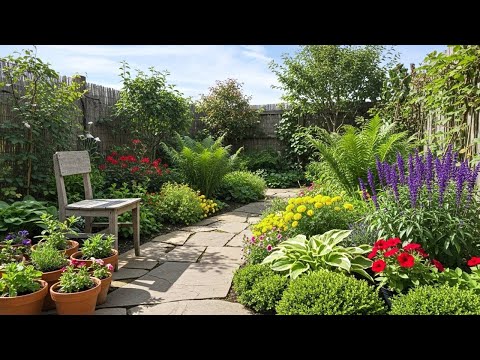
Many homeowners assume planting is the easiest part of landscaping. That’s why searches for landscape planting design are so common—plants look good at first, then struggle months later. Successful planting requires more than choosing what looks good at the nursery.
Design determines performance.
Plant Placement Affects Long-Term Health
Where a plant is placed matters just as much as what plant is chosen.
Proper placement considers:
- Sun and shade exposure
- Air circulation
- Root space
- Water access
Poor placement leads to early failure.
Professional Plant Selection Prevents Costly Replacements
Not all plants thrive in the same conditions, even if they look similar.
Professional planting design focuses on:
- Climate compatibility
- Soil conditions
- Growth habits
- Maintenance expectations
The right plants last longer.
Spacing Is One of the Most Common Planting Mistakes
Overcrowding is a frequent issue in DIY planting.
Correct spacing:
- Allows mature growth
- Improves airflow
- Reduces disease risk
Plants need room to grow.
Planting Design Creates Visual Balance
Good planting design isn’t random—it’s intentional.
Balanced planting:
- Uses height variation
- Mixes textures and shapes
- Creates natural flow
Design improves aesthetics.
Layering Plants Improves Depth and Coverage
Layered planting keeps beds full and attractive throughout the year.
Layering includes:
- Ground-level plants
- Mid-height shrubs
- Taller focal plants
Layers prevent empty-looking beds.
Planting Design Supports Low-Maintenance Landscapes
Random planting often leads to constant pruning and replacement.
Professional planting design:
- Uses predictable growth patterns
- Reduces ongoing maintenance
- Improves long-term performance
Smart design saves time.
Seasonal Performance Should Be Planned in Advance
Landscapes shouldn’t look good for only one season.
Professional planting considers:
- Year-round structure
- Seasonal interest
- Consistent visual appeal
Planning prevents seasonal gaps.
Soil Preparation Is Part of Planting Design
Healthy plants start below the surface.
Professional landscaping addresses:
- Soil quality
- Drainage
- Root preparation
Soil health supports plant success.
Planting Design Works Best When Integrated With Hardscapes
Plants should complement patios, walkways, and other hardscapes—not compete with them.
Integrated design:
- Softens hard edges
- Improves transitions
- Enhances usability
Cohesion improves the whole landscape.
Why DIY Planting Often Falls Short
DIY planting often focuses on appearance rather than performance.
Common DIY issues include:
- Wrong plant choices
- Poor spacing
- Ignored soil conditions
Experience prevents repeat problems.
Why Professional Landscaping Delivers Better Planting Results
Professional landscapers understand how plants behave over time—not just at installation.
Professional landscaping services help:
- Select the right plants
- Design balanced layouts
- Reduce long-term maintenance
Expert planning increases success rates.
Good Planting Design Protects Your Investment
Plants are an investment. Proper design ensures that investment lasts.
Healthy plants mean fewer replacements and better results.

Contact Bayscapes today to schedule a free consultation and explore professional planting services designed for beauty, balance, and long-term success.

